What's Actually in Sydney's Water Supply?
Sydney Water's 2024 Water Quality Report confirms that all treated water leaving the city's filtration plants meets Australian Drinking Water Guidelines. But meeting a guideline and having nothing in the water are two different things. Here is what Sydney's tap water actually contains, and what it means for you and your family.
Chlorine and Chloramines
Chlorine has been used to disinfect municipal water supplies since the early 20th century and is directly credited with eliminating waterborne diseases like cholera and typhoid from developed cities. Sydney Water uses a combination of chlorine and chloramines — the latter formed by adding ammonia to chlorine — as a secondary disinfectant to maintain safety throughout the distribution network as water travels from treatment plants to taps.
Chloramines are more persistent than chlorine alone, which makes them useful for long pipe networks, but they are also notably harder to remove and are the primary cause of the chlorine-like taste and odour many Sydney residents notice, particularly in warm weather when concentrations are increased. Standard activated carbon filters reduce chlorine effectively but are less efficient at removing chloramines; only a high-quality carbon block or reverse osmosis system removes them reliably.
Fluoride
Fluoride is deliberately added to Sydney's water supply at approximately 0.7 milligrams per litre, a practice endorsed by the Australian government as a public dental health measure. The ADWG sets a maximum of 1.5mg/L. The debate around water fluoridation is ongoing — the dental health benefits are well-documented at low concentrations, but some families, particularly those with young infants preparing formula, or health-conscious adults, choose to filter it out regardless. A reverse osmosis system removes 90–99% of fluoride. A standard carbon filter does not.
Disinfection Byproducts
When chlorine reacts with naturally occurring organic matter in source water — leaf litter, algae, humic acids — it forms disinfection byproducts (DBPs). The most studied groups are trihalomethanes (THMs) and haloacetic acids (HAAs). At the low concentrations present in Sydney water, these are regulated and considered safe. Long-term high-level exposure has been associated with elevated bladder cancer risk in some studies. Sydney Water publishes annual DBP data; concentrations are typically well within guideline limits, though not absent.
Microplastics
Microplastics — fragments less than 5mm — have been detected in urban water supplies globally, including Sydney. There is currently no Australian guideline for microplastics in drinking water, and research into their health effects is ongoing. The World Health Organisation considers the risk from microplastics in drinking water to be low based on current evidence, but notes that the evidence base is still developing. Reverse osmosis membranes effectively remove microplastics due to their extremely small pore size.
PFAS (Per- and Polyfluoroalkyl Substances)
In August 2025, ABC News reported that 31 PFAS chemicals had been detected in water sampling locations near North Richmond, Ryde, Potts Hill, and Prospect — one of which had never been reported globally. Sydney Water confirmed that water meets Australian drinking water guidelines for PFAS. This is addressed in detail in the dedicated PFAS section below.
Naturally Occurring Minerals
Sydney's water contains calcium, magnesium, sodium and other naturally occurring minerals in trace amounts. These are generally considered beneficial at low concentrations. However, in areas with higher mineral content, they can affect taste — "hardness" is the term used to describe elevated calcium and magnesium levels, and hard water can leave scale in kettles and on fixtures. Reverse osmosis removes dissolved minerals; some RO systems include a remineralisation stage to add beneficial minerals back in at optimal levels.
Sediment and Particulates
Sydney Water's treatment plants filter sediment effectively, but older internal plumbing can introduce particulates at the point of use. Homes and apartments with galvanised steel pipes, lead-soldered copper fittings, or aged brass taps may see elevated sediment or trace metals in their water — particularly if the water has been standing in the pipes. Under-sink filters with a sediment stage address this at the tap where it matters.
Bottom line: Sydney water is treated to a high standard. What you're choosing to filter is a combination of treatment residues (chloramines, fluoride, DBPs), emerging contaminants (PFAS, microplastics), and in older buildings, whatever your internal plumbing adds to the water before it reaches your glass.
Sydney PFAS — What the August 2025 Report Revealed
In August 2025, an ABC News investigation reported the detection of 31 PFAS chemicals in water sampling locations across parts of Sydney's water supply network. The locations identified included areas near North Richmond, Ryde, Potts Hill, and Prospect Reservoir. One of the 31 chemicals detected had never previously been reported anywhere in the world.
Sydney Water's official position is that water continues to meet Australian drinking water guidelines for PFAS. Under current Australian standards, the combined concentration of PFOA and PFOS — the two most-studied PFAS compounds — must remain below certain thresholds. Some samples reportedly came close to overseas limits, particularly those set by the US Environmental Protection Agency and the European Union, whose standards are more stringent than Australia's current guidelines.
This gap matters. PFAS guidelines in Australia have not been fully updated to reflect the most recent epidemiological research. The US EPA revised their PFAS drinking water standards significantly downward in 2024, acknowledging growing evidence linking even low-level PFAS exposure to immune disruption, hormonal interference, increased risk of certain cancers (notably kidney and testicular cancer), elevated cholesterol, and developmental effects in children.
What Are PFAS?
PFAS — per- and polyfluoroalkyl substances — are a group of more than 12,000 synthetic chemicals that have been used in industrial and consumer products since the 1940s. They are colloquially known as "forever chemicals" because their carbon-fluorine bonds are among the strongest in chemistry, making them extraordinarily resistant to degradation. They accumulate in the environment, in wildlife, and in the human body over time. The primary sources of PFAS in Sydney's water supply are believed to include industrial discharge, firefighting foam use at airports and military sites, and agricultural runoff.
How Effectively Do Water Filters Remove PFAS?
Reverse osmosis is the most effective residential technology for PFAS removal, achieving 90–99%+ reduction rates across most PFAS compounds, including the shorter-chain variants that activated carbon handles less effectively. High-quality activated carbon block filters (as used in quality under-sink systems) provide partial removal — typically 50–80% depending on contact time, filter quality and the specific compound. For households near the areas identified in the 2025 PFAS report, reverse osmosis is the recommended solution.
Note: Sydney Water states all water meets current Australian guidelines. The decision to filter PFAS is a personal health choice. This guide presents the available information — Filters For You recommends consulting your GP if you have specific health concerns about PFAS exposure.
Sydney Water Quality by Area — Does Location Matter?
Greater Sydney draws its water from multiple sources. Warragamba Dam, west of the Blue Mountains, is the primary reservoir and supplies approximately 80% of Sydney's water. Other sources include Prospect Reservoir, the Upper Canal system, Woronora Dam, Avon Dam, and several smaller catchments. Water travels through an extensive network of mains, tunnels and pipes to reach properties across the metropolitan area.
In terms of source water quality, most Sydney suburbs receive water of similar quality after treatment. The meaningful differences tend to emerge not at the source but at the point of use, particularly in older properties. Homes built before the 1970s may have galvanised steel pipes, which can leach iron and sediment. Properties from the 1950s and 1960s sometimes have copper pipes with lead-based solder joints. Older brass taps and fittings can contribute trace lead. These are point-of-use issues that an under-sink filter addresses directly at the tap, regardless of what suburb you're in.
The August 2025 PFAS findings were concentrated in sampling locations near North Richmond, Ryde, Potts Hill, and Prospect — areas broadly in the western and north-western parts of greater Sydney. If you live in or near these areas, reverse osmosis is a sensible precautionary measure. For the rest of greater Sydney, the primary reasons to filter are chloramine taste and odour, fluoride preference, and general peace of mind.
When Does a Water Filter Make Sense in Sydney?
Filters For You gives honest advice — a filter is not necessary for everyone, but it makes a meaningful difference for many Sydney households. Here are the situations where it makes the most sense:
- Families with young children: Infants and young children are more vulnerable to trace contaminants than adults. Many paediatric health authorities recommend using filtered water for formula preparation. Chloramines, fluoride above certain concentrations, and trace metals from old pipes are particular considerations for families with babies and toddlers.
- Health-conscious adults: If you currently buy bottled water — either for taste or health reasons — a reverse osmosis system delivers equivalent or superior water quality at a fraction of the long-term cost. A Pure Plus+ RO system at $840 installed pays for itself in bottled water savings within 12–18 months for most families.
- Properties near PFAS-flagged areas: Households in or near North Richmond, Ryde, Potts Hill, and Prospect vicinity should consider reverse osmosis as a precautionary measure given the August 2025 findings. RO is the most effective residential PFAS removal technology available.
- Homes with old pipes: Any property built before 1970 that has not had its internal plumbing replaced is a candidate for point-of-use filtration. The quality of water leaving the mains tells you very little about what's in the water that comes out of a 60-year-old tap. A sediment and carbon block filter at the kitchen sink addresses this directly.
- Taste-sensitive households: The chloramine taste and odour in Sydney water is a real issue, particularly during summer and in some parts of the network. If you notice it, a quality under-sink carbon block filter eliminates it completely. This is the single most common reason Jean-Paul's customers decide to install a filter.
- Pregnant women: Many obstetricians recommend a precautionary approach to tap water quality during pregnancy. Filtered water removes the variables — chloramines, DBPs, trace metals — that standard recommendations cannot fully account for on a property-by-property basis.
- Coffee and tea drinkers: The impact of water quality on brewed coffee and tea is well-documented in the specialty coffee world. Chloramine compounds interact with coffee compounds during brewing, producing off-flavours. Filtered water — particularly RO water with appropriate mineral content — produces a noticeably cleaner, brighter cup. The Pure Barista triple under-sink system exists specifically for this application.
Types of Water Filters Available in Sydney
Not all water filters are equal in what they remove. Here is a plain-English comparison of the main options Jean-Paul installs:
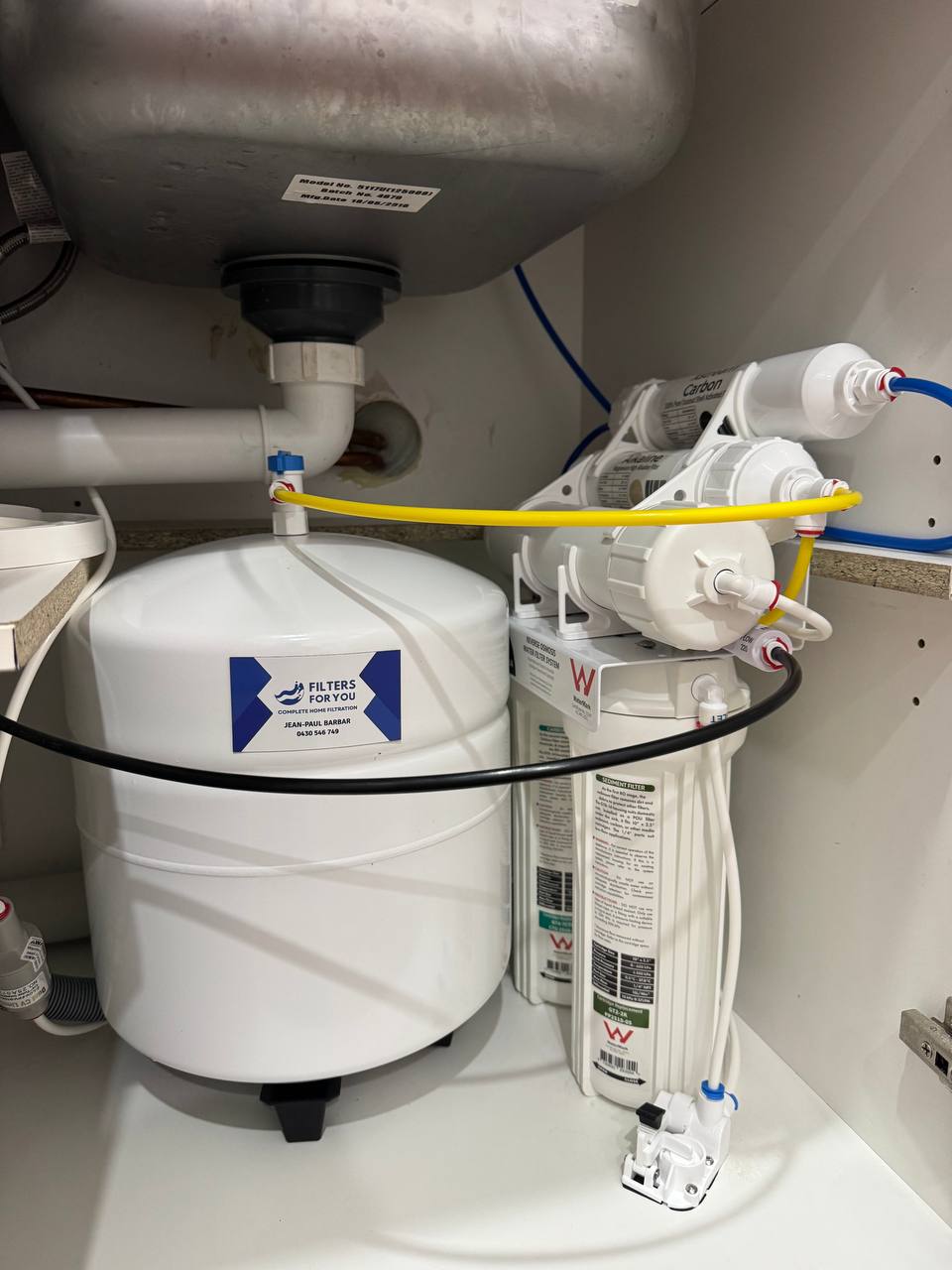
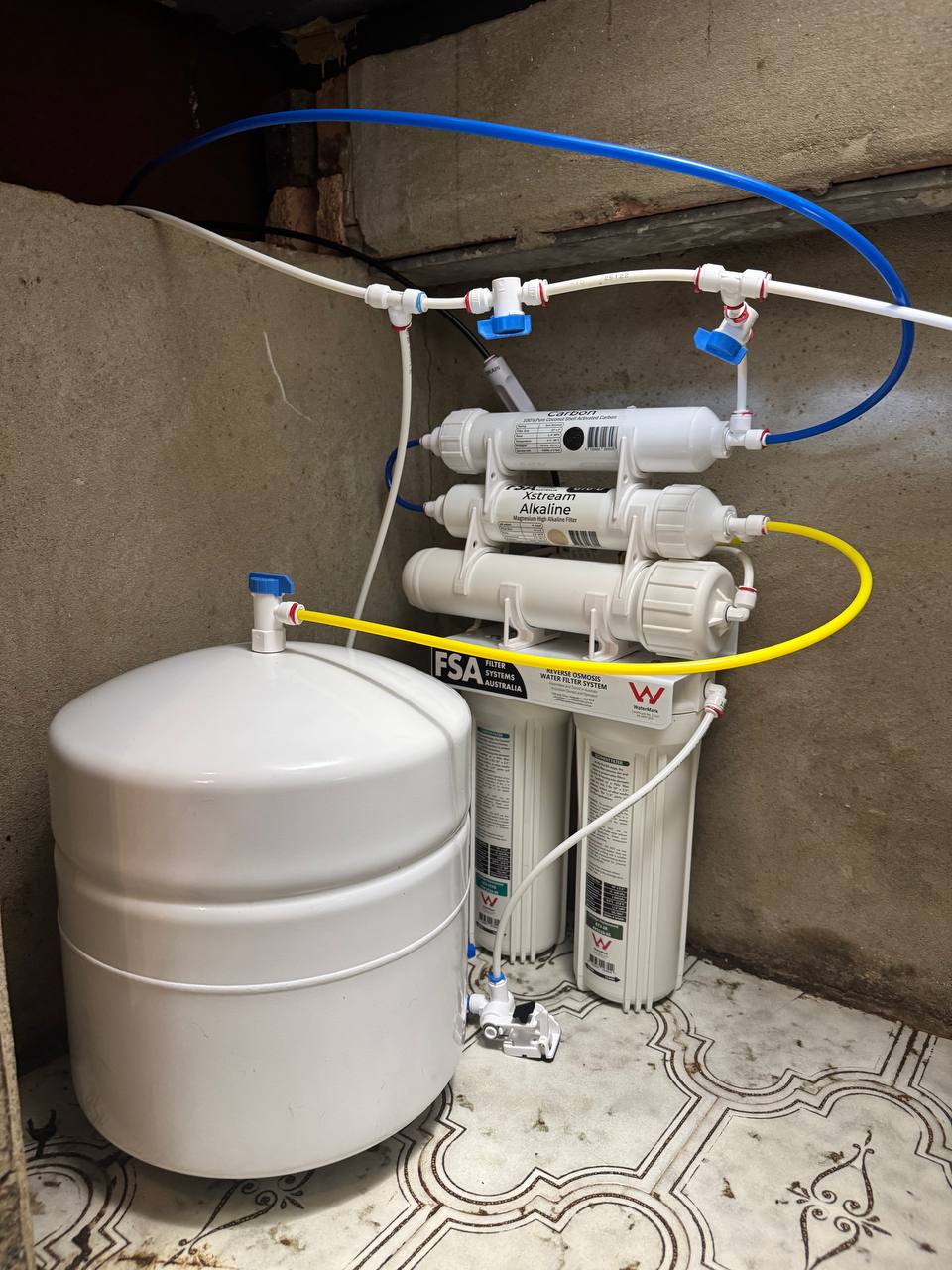
Benchtop filters are not something Filters For You installs. Under-sink systems are the professional standard — they are permanently plumbed in, require no counter space, and are serviced on a regular maintenance schedule. Jean-Paul personally installs every system.
Who Installs Water Filters in Sydney?
Under NSW plumbing legislation, connecting a water filter to a potable (drinking) water supply line requires a licensed plumber. This is not a technicality — it matters for warranty validity, insurance purposes, and compliance with the Plumbing Code of Australia. Any filter connected to your mains supply by an unlicensed person is non-compliant and may void your home insurance in the event of a water leak.
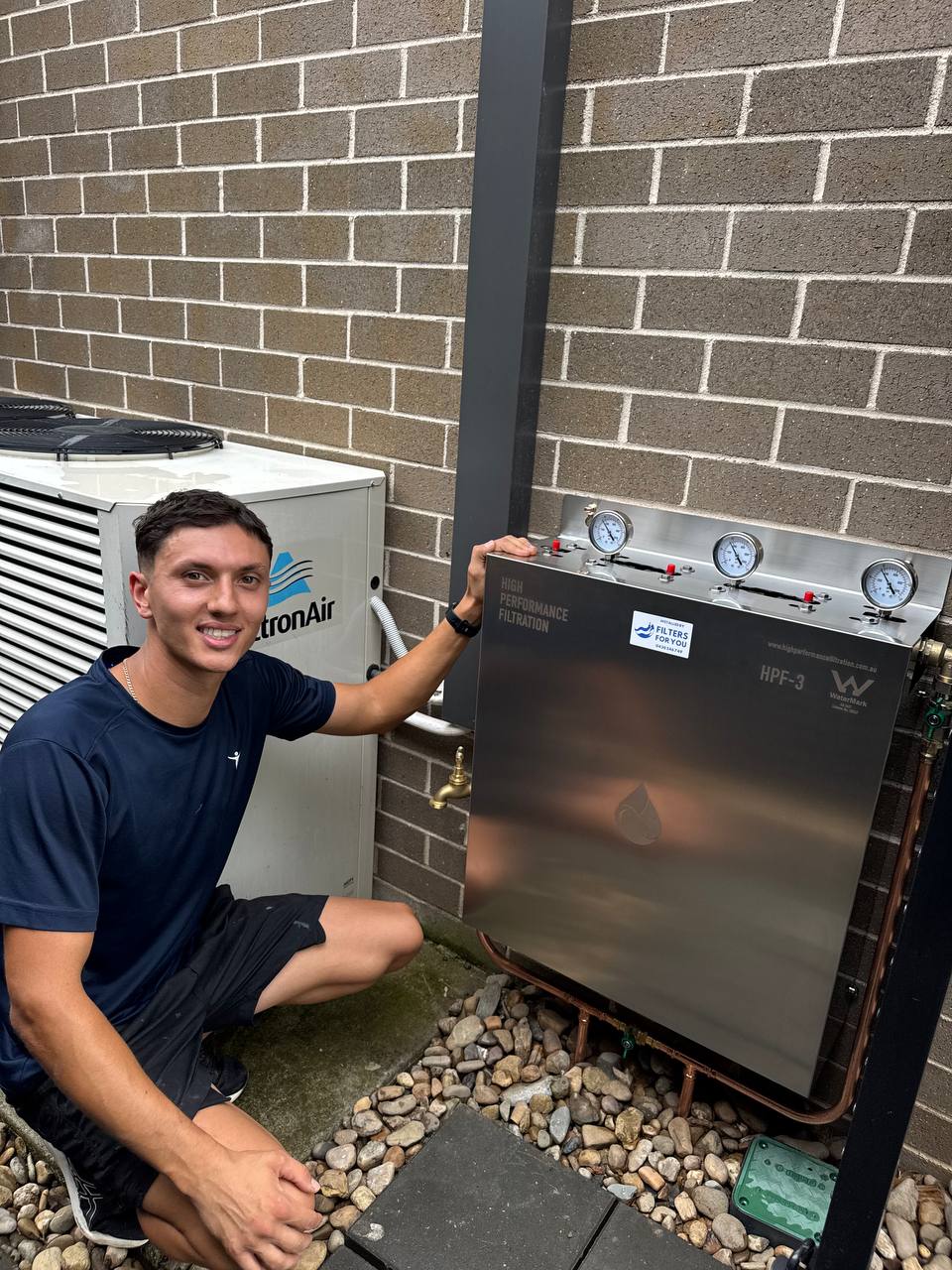
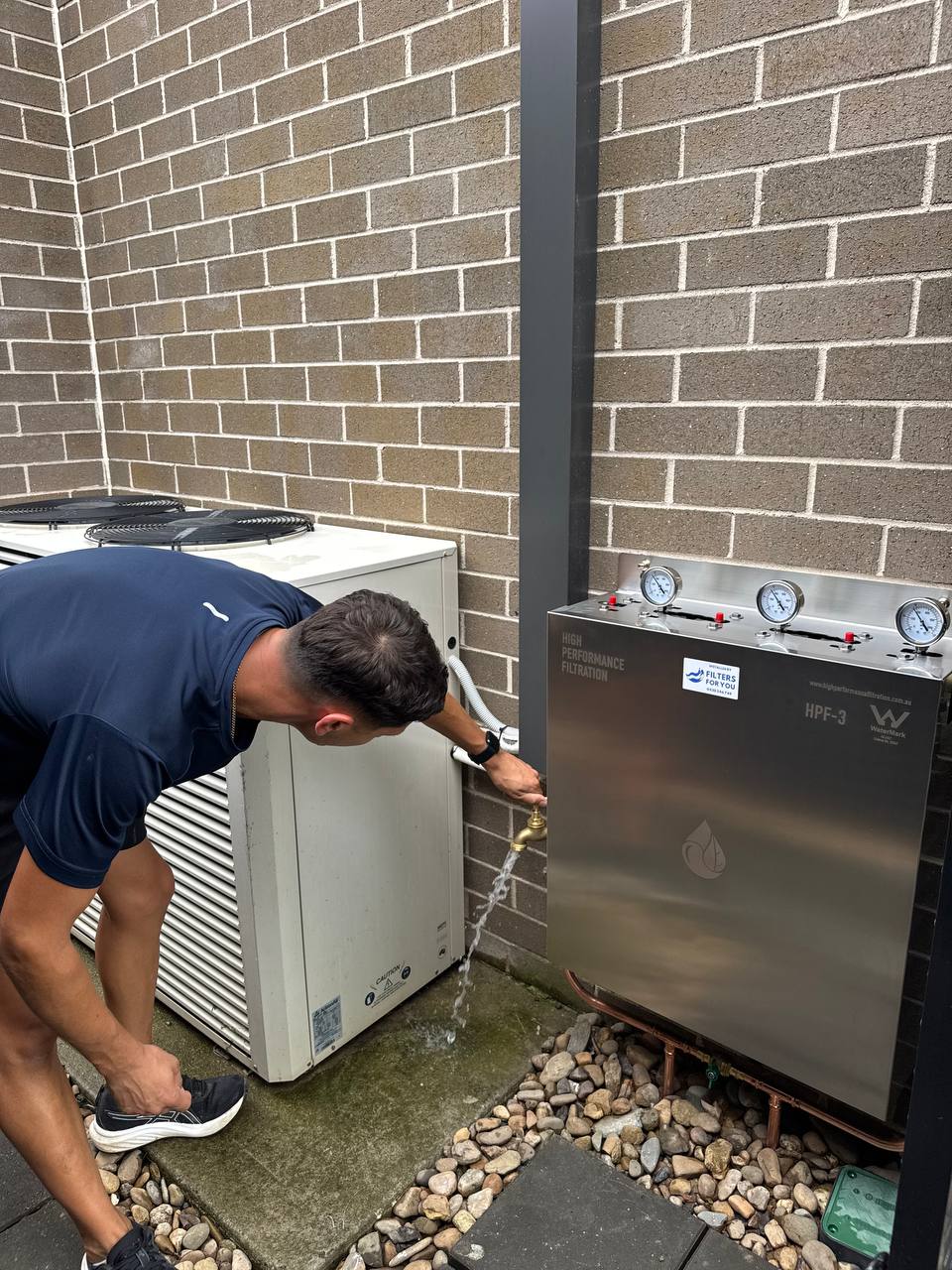
Jean-Paul Barber from Filters For You holds NSW Plumbing Licence 461511C and personally installs every system — no contractors, no subcontractors, no booking platforms sending whoever is available. When you book with Filters For You, you book Jean-Paul. He supplies WaterMark certified systems, offers fixed prices with no hidden fees, and backs every installation with a lifetime workmanship warranty. His service area covers Greater Sydney within approximately 20km of Croydon Park, with extended coverage for whole house system enquiries.
To book, call 0430 546 749 (Mon–Sat 7am–6pm) or use the quote form below. Most installations are scheduled within one week.